



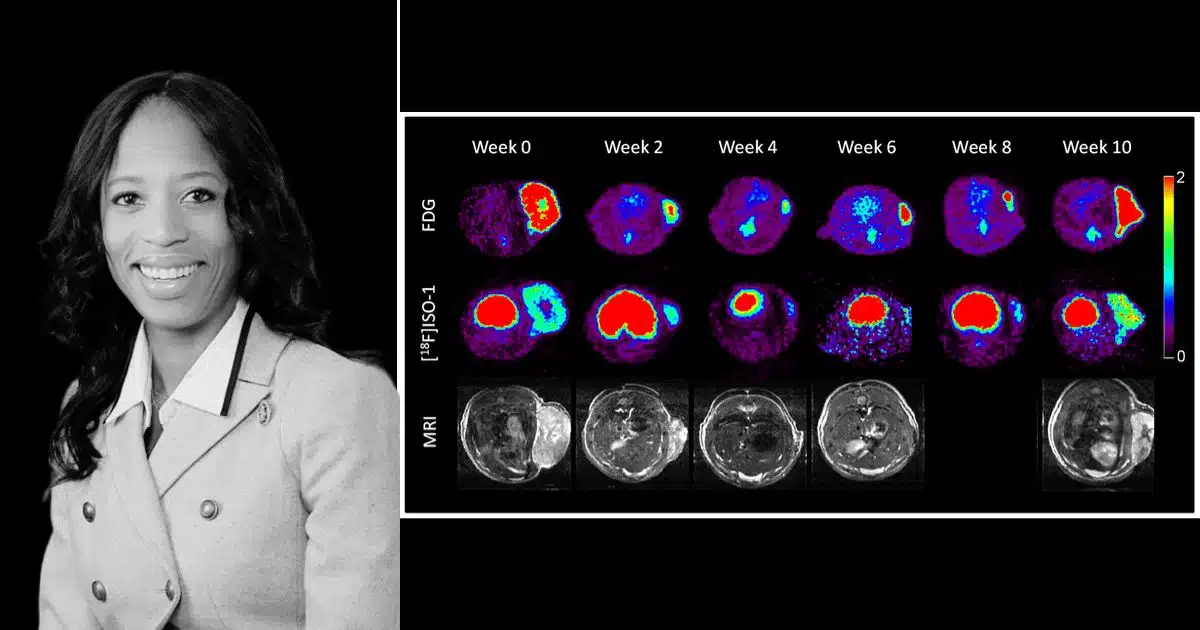
Mia Love, the first-ever Black Republican woman to be elected to Congress, has met with a tragic fate just at the age of 49. After losing the battle to a vicious brain cancer, Mia passed away on March 23, 2025. She served in Congress from 2015 to 2019, representing Utah. She has been a vocal critic of Donald Trump during his first term in office.
In 2018, Mia Love refused to seek his endorsement, losing the election to her Democratic challenger Ben McAdams. Four years later, in 2022, she was diagnosed with a glioblastoma, medically considered an aggressive type of brain tumor. Her family has confirmed through a social media post that she has passed away at her home in Utah after losing the battle.
Mia’s death has once again put the limelight on the brain cancer symptoms that can be detected early and subsequently ease the treatment process potentially. The symptoms are similar for both malignant and benign brain tumors. However, there might be some differences depending on the location in the brain, the stage, and the type.
Early Symptoms of Brain Cancer
Some of the most common early symptoms of brain cancer include:
- Painful headaches
- Vision problems
- Speech problems
- Memory loss
- Seizures
- Loss of balance
- Loss of coordination
- Speech problems
- Stiffness in one side of the body
- Muscle weakness
At that same time, early brain cancer symptoms also include some mental health issues, including sudden changes in mood, difficulty concentrating, feeling disoriented or confused, anxiety, and depression.
These early symptoms also vary on the type of tumor. For meningioma, which is a non-cancerous tumor, people affected can experience headaches, seizures, vision issues, weakness in one arm or leg, and sudden changes in personality.
Glioblastoma is a malignant tumor that can grow quickly and create pressure on the brain. The early symptoms may include intense headache episodes in the early hours, nausea, fatigue, vomiting, memory loss, seizures, loss of balance, and stiffness in the body, such as leg, arm, or face.
SAD NEWS
Former GOP Rep. Mia Love dead at 49 after battle with cancer.
Utah’s Mia Love, first Black Republican woman elected to Congress, dies from brain cancer
Election 2014: Mia Love victory speech
RIP Mia 🙏❤️ pic.twitter.com/IyKbzUNMsW
— Bhola (@sumityou40) March 24, 2025
Mia Love was diagnosed with glioblastoma, which is a grade 4 brain tumor. The American Brain Tumor Association states that professionals have categorized the different brain tumors by grade, according to the abnormality of the cells they contain.
While grade 1 is the least malignant and often benign, grade 4 is at the top of the list when it comes to cancerous brain tumors. Apart from these two types, there have been more brain tumor cases reported. Astrocytomas are another common one, which can grow into grade 4 from grade 1, and the symptoms are similar to both glioblastoma and meningioma. Metastatic tumors form in other parts of the body and then move to the brain through the bloodstream. The symptoms are similar to any primary brain tumor.
Most of the other tumours are rare benign, which don’t cause cancer. While glioblastoma can be easily detected through early symptoms, according to Medical News Today, they can be similar to common headaches. However, the only way to differentiate might be to look at the person’s medical history of severe headaches, the intensity of the headache episodes, and whether they are worse in the morning and can even wake a person up from sleep.
Glioblastoma is an aggressive cancer that starts in the brain when astrocytes — cells that support neurons — start to divide without stopping. Here’s a look at what happens when that occurs: pic.twitter.com/abyzaz62x5
— WebMD (@WebMD) August 7, 2019
The first step is to contact a medical professional if the early symptoms are present. From there, the doctors will conduct various tests, including MRI and CT scans. If a tumor is located, a biopsy is done to find out more about it. Depending upon that, the options may include chemotherapy, radiation therapy, or surgery.
Survival rates for brain cancer can vary depending on the stage, type, location, etc. According to the American Cancer Society, about 24,820 (malignant) cases will be reported in 2025; among those, 18,330 will have not a chance to survive.